 ×
×

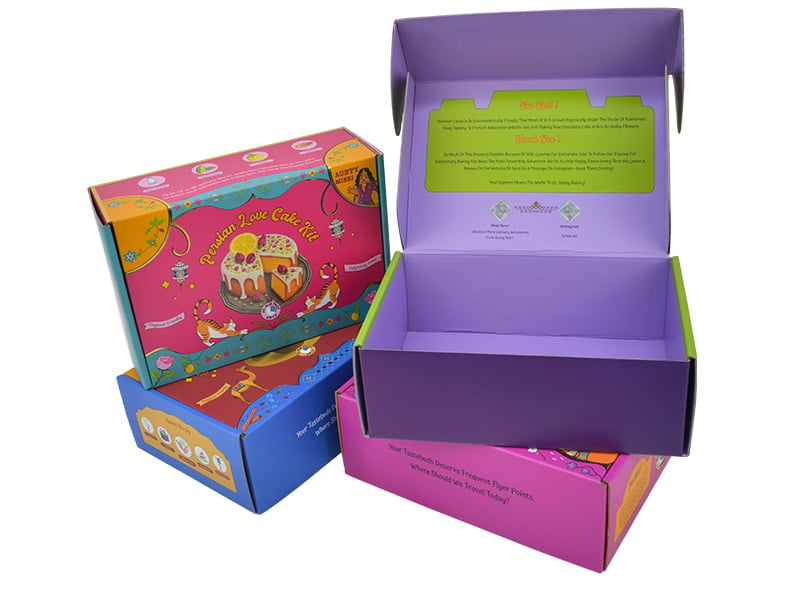
In the fast-paced world of e-commerce and direct-to-consumer (DTC) retail, the shipping box is no longer just a container. It is the first physical touchpoint a customer has with your brand. In 2026, as the global custom shipping boxes market surges past the USD 30.7 billion mark and heads toward a projected USD 59.6 billion by 2033, the choice between a standard shipping box and a specialized mailer box (often called a "airplane box" due to its aerodynamic fold) is a critical business decision.
Whether you are shipping delicate electronics, subscription boxes, or fast-moving consumer goods, understanding the nuances of corrugated mailer boxes can mean the difference between a loyal customer and a costly return. Here is your expert guide to navigating the world of modern paper packaging.
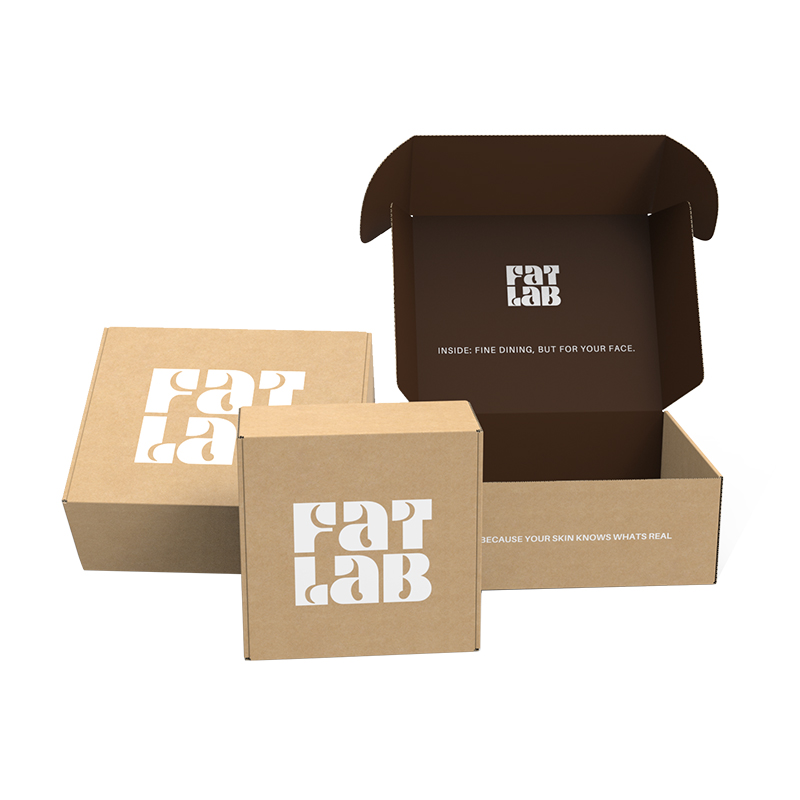
Mailer boxes are a specific style of shipping container typically made from corrugated fiberboard. They are designed for easy assembly (often pop-up or self-locking), durability during transit, and a superior unboxing experience. In many Asian markets, they are famously known as "airplane boxes" because their design, when folded flat, resembles an airplane, and they were originally engineered to withstand the rigors of air freight.
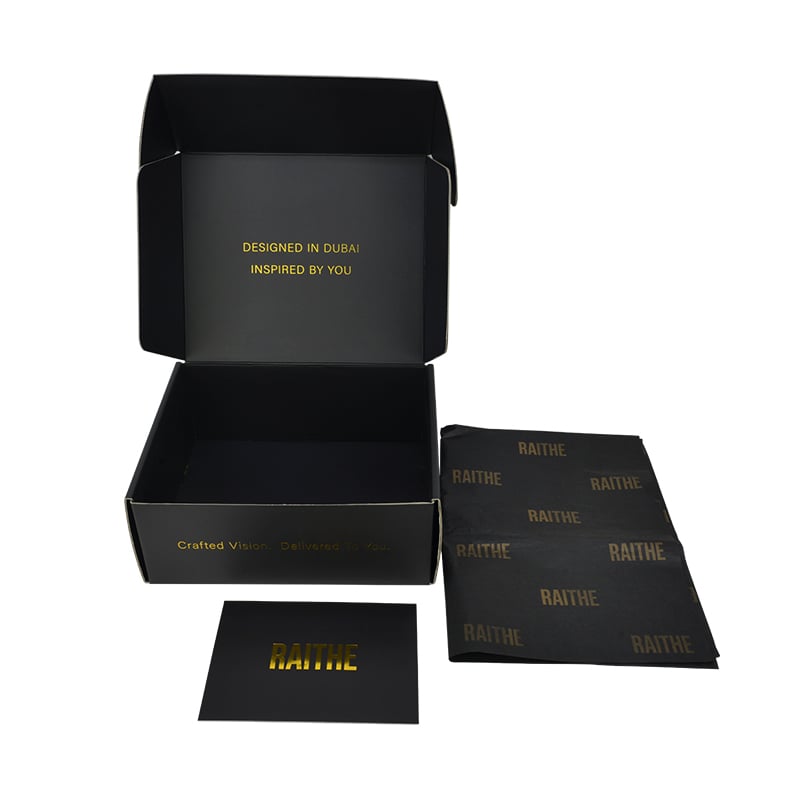
Today, these boxes dominate the e-commerce landscape because they solve three core problems simultaneously:
The backbone of the modern shipping industry is corrugated cardboard. While rigid boxes offer luxury and folding cartons are great for retail shelves, corrugated mailer boxes are the workhorses of logistics.
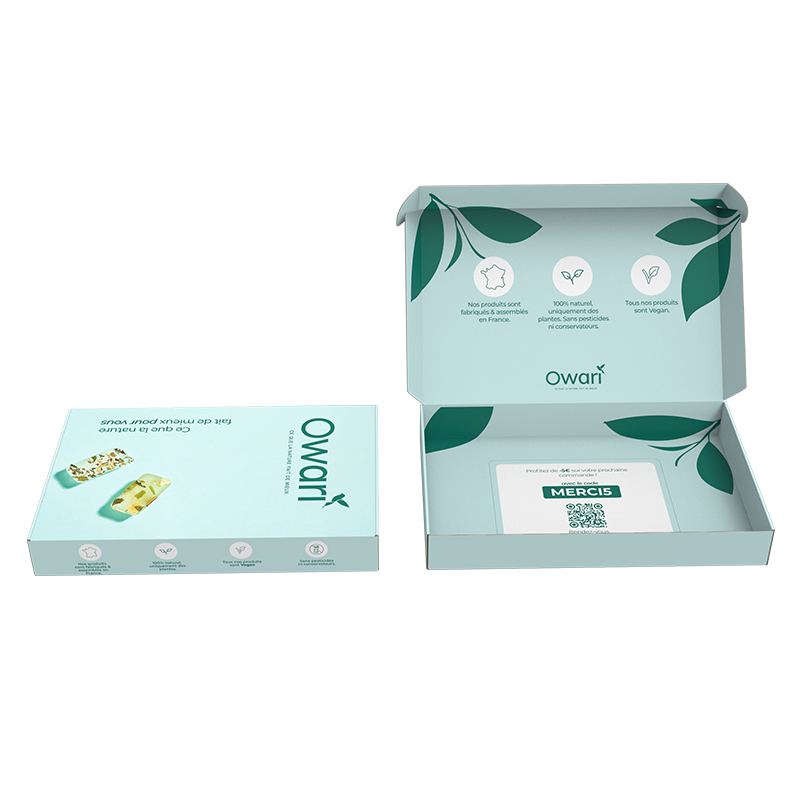
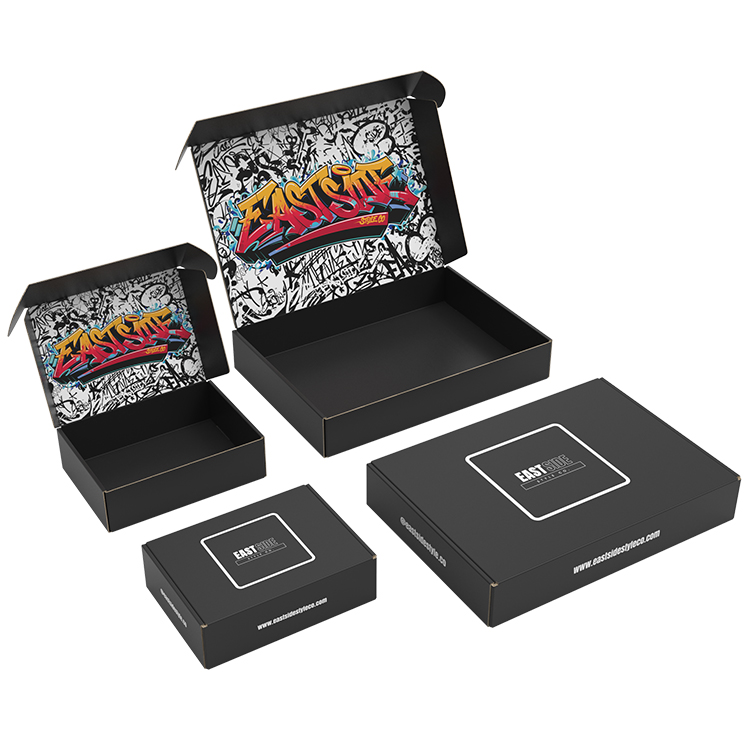
If you have researched popular mailer box styles, you have likely encountered the acronyms REFT and RETT. These refer to the opening mechanisms, and choosing the right one impacts both your packing speed and the customer's unboxing moment.
Gone are the days of the plain brown box. In 2026, your shipping box is a billboard that travels to your customer's doorstep. Custom printed mailer boxes are one of the most cost-effective marketing tools available.
How do you choose the right stock? Consider the "3C" Framework: Contents, Cost, and Customer.
| Feature | Best Application | Why It Matters |
|---|---|---|
| 3-Ply Extra Hard | Apparel, undergarments, books, lightweight accessories | Provides just enough rigidity to prevent bending without adding shipping weight. |
| 5/7-Ply Thick | Electronics, glassware, heavy hardware, subscription boxes | Offers maximum stacking strength and protection for fragile, high-value items. |
| Custom Inserts (Bubble/EPE) | Cosmetics, health supplements, food items | Secures items in place, preventing movement and acting as a secondary buffer. |
One of the most overlooked aspects of shipping boxes is Dimensional Weight (DIM Weight). Carriers like FedEx, UPS, and national post services calculate cost based on volume, not just weight.
Using a box that is too large for your product is like burning money. Optimized mailer boxes are designed to fit your product snugly, reducing empty space and saving significantly on shipping costs over thousands of orders. A 7cm high box, for instance, is often perfectly engineered to fit standard logistics envelopes and maximize pallet space.
Looking ahead, the integration of technology and sustainability will define the next generation of mailer boxes.
In the competitive landscape of 2026, your packaging is your silent salesman. Whether you need a high-volume run of standard shipping boxes or a bespoke, custom-printed mailer box to launch your new product line, the principles remain the same: protect the product, respect the environment, and impress the customer.
By choosing the right structure—be it a sturdy "airplane box" for fragile goods or a vibrant colored mailer for a DTC brand—you turn a logistical necessity into a strategic asset.
Q: What is the most commonly used mailer box style for e-commerce?
A: The REFT (Roll End Tuck Front) mailer box is the industry standard due to its fast assembly and reliable shipping performance.
Q: Are eco-friendly mailer boxes strong enough for heavy items?
A: Yes. Modern recycled corrugated materials, especially double-wall constructions, offer high strength and protection while reducing environmental impact.
Q: Can I get custom logos on small quantities of boxes?
A: Absolutely. Advances in digital printing now allow for cost-effective, short-run custom boxes with high-quality graphics, making bespoke packaging accessible for small and medium enterprises.
Q: What is the difference between a "mailer box" and a standard "shipping box"?
A: While the terms are often used interchangeably, a mailer box usually refers to a self-locking design (often with tuck ends) that is easy to assemble and provides a better unboxing experience, whereas a standard shipping box (RSC) usually requires tape and is purely functional.

 EN
EN